Average Calculator – Calculate Mean, Median & Mode

Free Online Average Calculator for Accurate Results

μ
Mean
Md
Median
Mo
Mode

Average Calculator

Please enter valid numbers
Mean

--

Median

--

Mode

--

Count: 0 numbers | Sum: 0 | Range: 0

How to Use Average Calculator

Get accurate statistical results in three simple steps

1
📝

Enter Numbers

Input your data set into the average calculator field. Separate numbers with commas, spaces, or line breaks for batch processing.

2
🖱️

Click Calculate

Press the calculate button to process your data instantly. Our algorithm handles all mathematical computations automatically.

3
📊

View Results

Receive comprehensive results showing Mean, Median, and Mode values with detailed statistical breakdowns.

Average Formulas Explained

Understanding the mathematical foundations behind mean, median, and mode calculations

μ Most Common

Mean Formula

Mean = Σx / n

The arithmetic mean is calculated by summing all values (Σx) and dividing by the total count of values (n). It represents the central tendency of your data set.

Example

(10 + 20 + 30) ÷ 3 = 20

Md Middle Value

Median Formula

Median = Middle Value

Arrange numbers in ascending order. For odd counts, the middle number is the median. For even counts, average the two middle numbers.

Example

1, 3, 5, 7, 9 → Median = 5

Mo Most Frequent

Mode Explanation

Mode = Most Frequent

The mode is the value that appears most frequently in your data set. A set can have one mode, multiple modes, or no mode if all values are unique.

Example

2, 4, 4, 6, 8 → Mode = 4

Benefits of Average Calculator

Discover why thousands of users trust our calculator for their statistical needs

📈

Data Analysis

  • Average calculator provides instant statistical insights for business reports and research
  • Process large datasets efficiently without manual errors
  • Export-ready results for presentations and documentation
  • Compare multiple data sets simultaneously
🎓

Academic Use

  • Average calculator is perfect for mathematics, statistics, and economics courses
  • Helps students understand central tendency concepts visually
  • Validates homework and exam calculations instantly
  • Supports STEM education with accurate computational tools

External Resources

Trusted sources for learning more about statistics and mathematics

Educational
📚

Khan Academy Statistics

Comprehensive free courses on statistics, probability, and data analysis with interactive exercises.

Visit Resource
Reference
🔬

Wolfram MathWorld

Extensive mathematics encyclopedia covering mean, median, mode formulas and advanced concepts.

Visit Resource
Government
📊

U.S. Census Bureau

Official statistical data and educational resources about demographic averages and data collection.

Visit Resource
Academic
🎓

MIT OpenCourseWare

Free undergraduate and graduate-level statistics courses from Massachusetts Institute of Technology.

Visit Resource
Average Calculator
Data Visualization & Statistical Analysis

Understanding Data Through Visualization

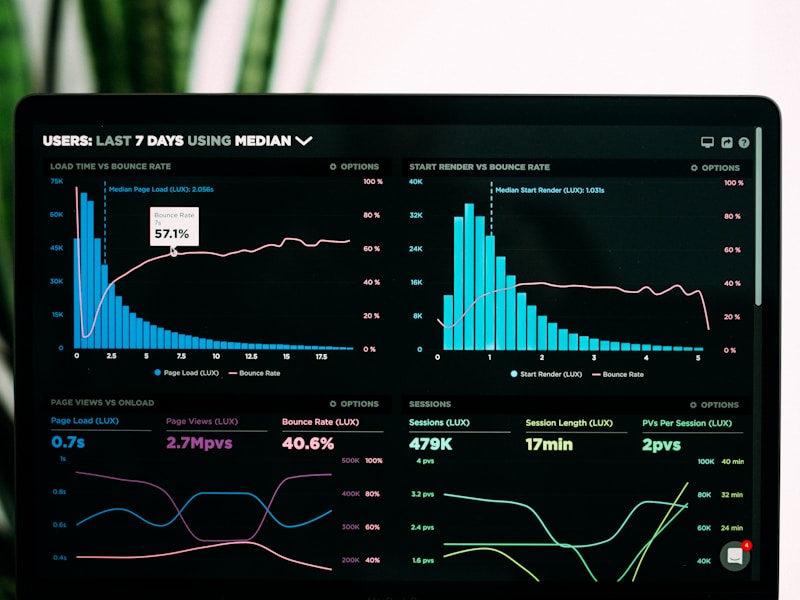
Visual representations help identify patterns, trends, and outliers in your data. Our calculator provides the numerical foundation, while modern analytics tools transform these numbers into actionable insights.

📈

Mean in Context

The arithmetic mean provides the central balance point of your dataset, essential for trend analysis and forecasting.

📊

Median Distribution

Median values split your data exactly in half, making them resistant to extreme outliers and skewed distributions.

🎯

Mode Patterns

Identifying the most frequent values reveals popular choices, common behaviors, and recurring patterns in data.

FAQ + Related Tools

What is the difference between mean and average?

In statistics, "mean" and "average" typically refer to the same concept—the arithmetic mean. However, "average" can sometimes colloquially refer to any measure of central tendency including median and mode. Our calculator provides all three for comprehensive analysis.

Can I calculate average for decimal numbers?

Yes, our calculator fully supports decimal numbers and fractions. Simply enter values like 12.5, 3.14, or 0.75, and the calculator will process them with precision up to multiple decimal places.

What if my data set has no mode?

If all values in your data set appear exactly once, there is no mode. Our calculator will indicate "No mode" or display all values as having equal frequency. This is common in uniformly distributed data sets.

Is there a limit to how many numbers I can enter?

No, there is no practical limit. You can enter hundreds or even thousands of numbers. The calculator is optimized for performance and can handle large datasets for statistical analysis, research, or business reporting.